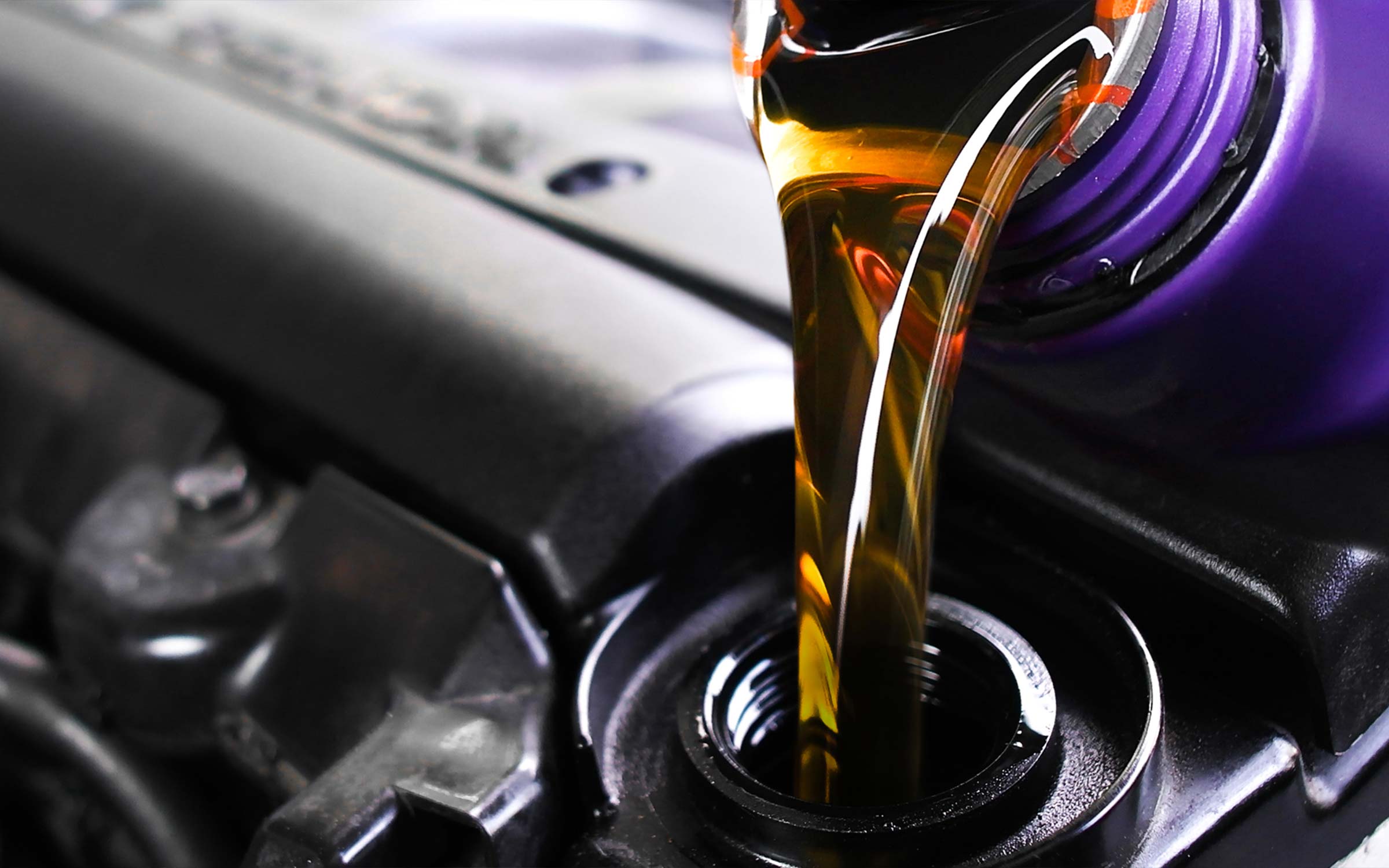
Lubricants are the “invisible” factor that determines the health, performance and lifespan of every engine. Whether it is a car, motorcycle or commercial vehicle, the choice of the right lubricant plays a decisive role in its operation and maintenance. In recent years, synthetic lubricants have dominated the market and are now considered the top choice for high performance, excellent protection and greater durability.
In this detailed article by Gand Oil, we will examine what synthetic lubricants really are, how they are manufactured, what their essential differences from conventional (mineral) oils are, and why they are the superior choice for most modern engines.
The text is written in simple but technically accurate language, so that it can be understood both by the everyday driver and by the professional mechanic.
Introduction to synthetic lubricants
Synthetic lubricants (synthetic oils) are lubricants that do not come directly from crude oil, like conventional ones, but are created in a laboratory environment through special chemical processes. This means that chemists can fully control their structure, ensuring superior levels of purity, stability and protection.
Gand Oil, with many years of expertise in lubricants, offers a complete range of synthetic and hydrocracked lubricants that meet the modern demands of engines.
How is a synthetic lubricant manufactured?
Synthetic lubricants are created from selected molecular bases (Group III, IV and V) using processes such as:
- Hydrocracking
- PAO (Polyalphaolefins) chemical synthesis
- Chemically modified esters
In contrast to conventional lubricants, which contain more impurities and non-uniform molecules, synthetic ones have a perfectly homogeneous molecular structure.
This improves:
- the flow of the lubricant
- its resistance to high temperatures
- its resistance to breakdown
- protection against friction and wear
What does “cleaner molecular structure” mean?
Molecular uniformity leads to:
- Lower evaporation
- Better viscosity stability
- Fewer residues (sludge/carbon deposits)
- Longer lubricant life
Synthetic vs Conventional Lubricant – The Basic Differences
The table below summarizes the most basic differences:
Table 1 – Comparison of Synthetic & Conventional Lubricant
| Parameter | Synthetic lubricant | Conventional lubricant |
|---|---|---|
| Purity | Extremely high | Medium to low |
| Molecular structure | Uniform, stable | Non-uniform |
| Resistance to high temperatures | Very high | Medium |
| Resistance to oxidation | High | Lower |
| Change interval | Longer intervals | Shorter intervals |
| Engine protection | Maximum | Better than nothing, but limited |
| Fuel consumption | Reduced | No improvement |
| Formation of deposits | Almost zero | Possible in older technology oils |
The benefits of synthetic lubricants – Why they are superior
Synthetic lubricants have earned the trust of drivers, manufacturers and workshops for very specific reasons.
1. Excellent protection at high temperatures
Modern engines operate with higher compression, higher temperatures and increased load.
Synthetic lubricants:
- do not thin with temperature
- do not break down easily
- remain stable even in long-hour driving
2. Improved protection during cold start
Up to 70% of an engine’s wear occurs in the first seconds of start-up.
A synthetic lubricant:
- flows more easily at low temperatures
- immediately lubricates all points
- significantly reduces wear
3. Greater durability over time
Gand Oil’s synthetic lubricants maintain their properties for a longer period of time, thanks to:
- lower tendency for oxidation
- better thermal stability
- reduced formation of deposits
This translates into:
- fewer oil changes
- lower oil consumption
- reduced maintenance costs
4. Better engine cleanliness
Conventional lubricants tend to create sludge and carbon deposits over time.
Gand Oil’s synthetic lubricants contain strong detergent additives that:
- keep the engine clean
- prevent sludge formation
- protect critical components such as turbo and variable camshafts
5. Reduced fuel consumption
With smoother lubricant flow, the engine uses less energy to operate.
Synthetic lubricants:
- reduce friction
- improve performance
- lead to a small but measurable fuel economy
6. Ideal protection for turbo and high-tech engines
Modern turbo engines require lubricants that can withstand temperatures that may exceed 900°C in the turbocharging system.
Synthetic lubricants:
- protect the turbo shaft
- prevent dry friction
- reduce the risk of overheating
Why synthetic lubricants are the ideal choice for modern engines
Modern engines have smaller chambers, higher pressure, and operate under stricter energy and environmental specifications.
This means that they need lubricants that:
- do not oxidize easily
- do not break down
- withstand extreme conditions
- offer low friction
- protect turbo, catalytic converters, DPF
Synthetic lubricants offer exactly that.
For which drivers is a synthetic lubricant intended?
- For those who want maximum protection
- For cars with turbo or direct injection
- For high-performance motorcycles
- For those who want fewer oil changes
Daily driving, city, short trips, heavy use.
Technologies TSI, GDI, TFSI, Turbo Diesel, all benefit from synthetic lubricant.
Motorcycle engines have high revs and temperatures.
Greater durability also means fewer services.
Misconceptions about synthetic lubricants
There are some myths circulating, and it is worth clarifying them.
Myth #1 – “Synthetic lubricants are too thin and do not protect well”
This applied only to the first synthetics of the ’70s–’80s. Today’s synthetic bases have much higher resistance.
Myth #2 – “It’s not suitable to put them in an old car”
If there are no leaks or severe wear, synthetics can be used without problem.
Myth #3 – “They are no different from conventional”
Laboratory measurements and engine manufacturers prove the opposite.
How to choose the right synthetic lubricant Gand Oil
To choose the right lubricant, take into account:
- the manufacturer’s specifications
- the viscosity (e.g. 5W-40, 10W-40)
- the driving conditions
- the type of engine
Gand Oil offers complete technical brochures and advice so that the driver or mechanic can make the right choice.