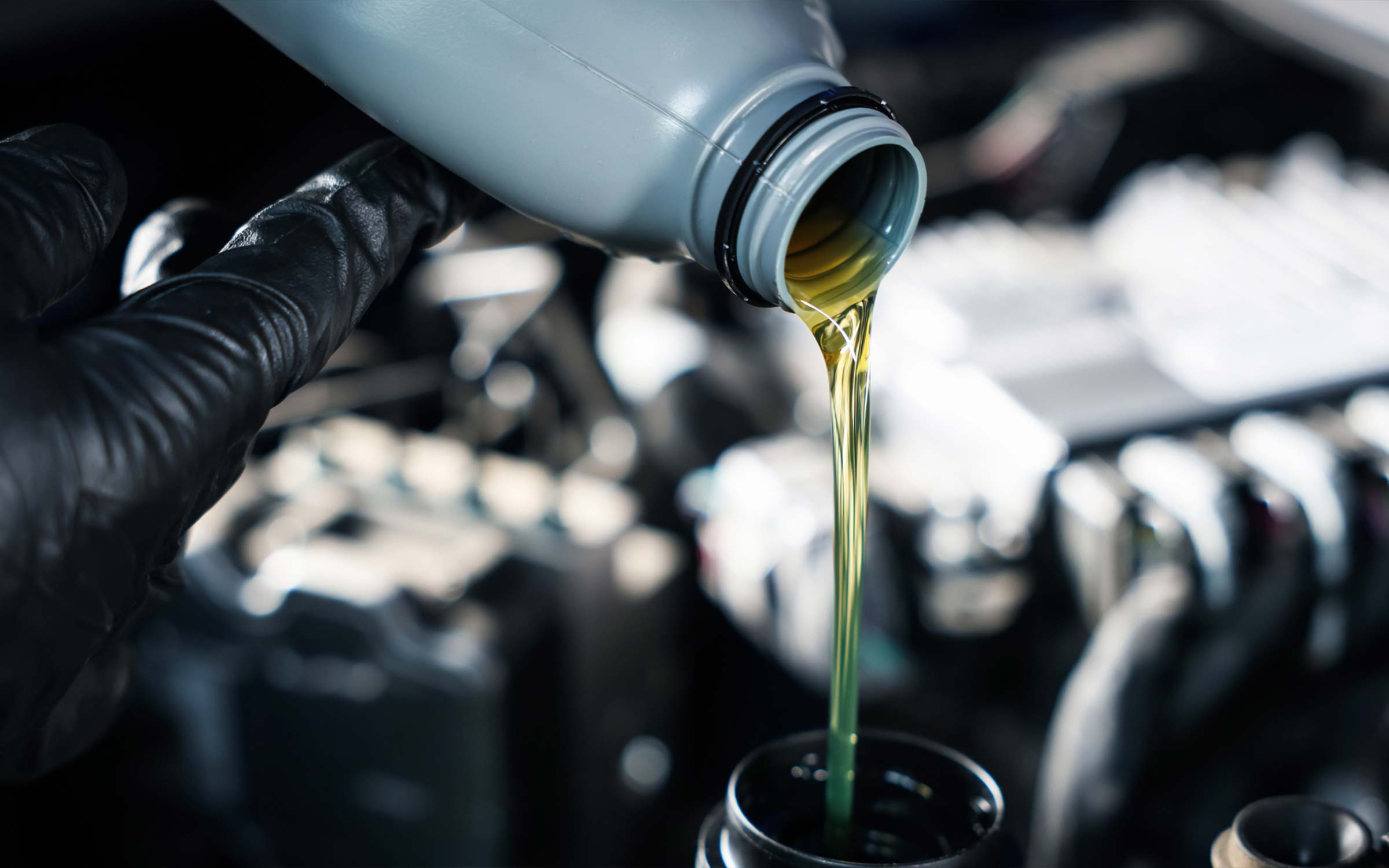
The gasoline engine is one of the most widespread and technologically advanced engine types, used in both passenger vehicles and light commercial applications. Although it is characterized by smooth operation and relatively low vibration levels, it operates at high rotational speeds and under intense temperature fluctuations, factors that significantly increase the demands placed on engine oil.
Selecting lubricant for a gasoline engine is not a routine maintenance procedure. It is a technical decision that directly affects mechanical wear, thermal behavior, internal cleanliness, and ultimately the overall service life of the engine. Oil does not operate passively; it actively participates in proper engine operation.
In this in-depth guide, we examine in detail what takes place inside a gasoline engine, the types of stress engine oil is exposed to, and how every driver can select the appropriate lubricant based on mechanical reality rather than general assumptions.
How a Gasoline Engine Works and Why Oil Is Critical
A gasoline engine operates through the ignition of an air–fuel mixture by a spark. This process is characterized by rapid combustion events, high rotational speeds, and intense temperature fluctuations, particularly during acceleration and urban driving conditions.
Under these conditions, engine oil is required to perform multiple functions simultaneously. It does not serve lubrication alone, but also acts as a medium for heat removal, contaminant control, and corrosion protection. Any failure of the lubricant to adequately perform one of these functions results in increased wear and reduced engine efficiency.
Because gasoline engines often operate across a high RPM range, the lubricant must maintain stable viscosity and a strong lubricating film even when mechanical stress increases significantly.
What Stresses Engine Oil Experiences in a Gasoline Engine
High RPM and Mechanical Shear
Gasoline engines frequently operate at elevated rotational speeds, especially during dynamic or urban driving. As a result, engine oil is subjected to intense shear forces as it is forced between metal surfaces moving at high velocity.
If the lubricant lacks sufficient shear stability, the lubricating film thins, reducing protection and increasing wear in critical engine components.
Thermal Fluctuations and Thermal Stress
The operation of a gasoline engine is characterized by continuous thermal variation. From cold start to full operating temperature, engine oil must adapt rapidly without losing its lubricating properties.
Repeated temperature cycling accelerates chemical aging of the oil, increases oxidation, and shortens service life, particularly in vehicles used primarily for short trips.
Cleanliness and Deposit Formation
Gasoline engines are especially sensitive to deposit formation, as combustion by-products and unburned fuel can accumulate within the oil. The lubricant must suspend these contaminants and keep them in circulation until the oil is changed.
If this capability diminishes, sludge and varnish form, negatively affecting engine performance and reliability.
What a Proper Lubricant for Gasoline Engines Must Provide
A lubricant designed for gasoline engines must deliver a balanced combination of fluidity and durability. It must circulate rapidly during cold start while maintaining a strong lubricating film at high temperatures and elevated RPM.
In addition, its role in maintaining engine cleanliness is critical. The oil must resist oxidation, limit deposit formation, and maintain consistent performance throughout its service interval.
How Driving Style Affects Lubricant Selection
Urban Driving
Urban use is characterized by frequent starts and short trips. Under these conditions, oil is stressed more by moisture and fuel dilution than by sustained high temperature. A lubricant with strong cold-start performance and enhanced cleaning capability is required.
Long Trips and Steady Operation
During extended operation, engine oil remains near its upper thermal limits for prolonged periods. Viscosity stability and resistance to thermal breakdown are essential to maintain protection.
Dynamic or Demanding Driving
Hard acceleration and high RPM increase mechanical stress. The lubricant must maintain a strong film and resist increased shear forces without loss of performance.
How to Choose the Right Lubricant for Your Gasoline Engine
Proper lubricant selection requires understanding the dominant usage pattern of the vehicle. It is not only the number of kilometers traveled that matters, but how those kilometers are accumulated.
If daily use occurs primarily in urban conditions, priority must be given to startup protection and cleanliness. If the vehicle is frequently driven on long trips or under dynamic conditions, thermal and mechanical durability of the oil becomes the primary concern.
The Importance of Oil Change Intervals
In gasoline engines, oil degradation depends not only on mileage but also on time and operating conditions. Delaying oil changes leads to loss of protective properties, even if the engine does not exhibit obvious symptoms.
Proper maintenance is an integral part of correct lubricant selection.
Conclusion
Engine oil is a fundamental reliability component for every gasoline engine. When selected based on real operating conditions, it plays a decisive role in reducing wear, maintaining stable performance, and preserving long-term engine health.