The maintenance and repair of mechanical components in cars and motorcycles is often accompanied by a very common but difficult problem: rusted or seized bolts and nuts. When a metal component remains exposed for long periods to moisture, temperature changes, oils, and contaminants, conditions are created that promote metal corrosion.
This corrosion leads to the formation of rust and oxides that fill the microscopic gaps between metal surfaces. As a result, bolts literally become “stuck” inside the thread, making disassembly extremely difficult or even impossible without the use of specialized products.
In these cases, a penetrating spray is one of the most useful tools for both professional mechanics and individuals who carry out maintenance on their vehicles. Products that contain copper particles offer even better performance, as they combine high penetrability, effective lubrication, and resistance to high temperatures.
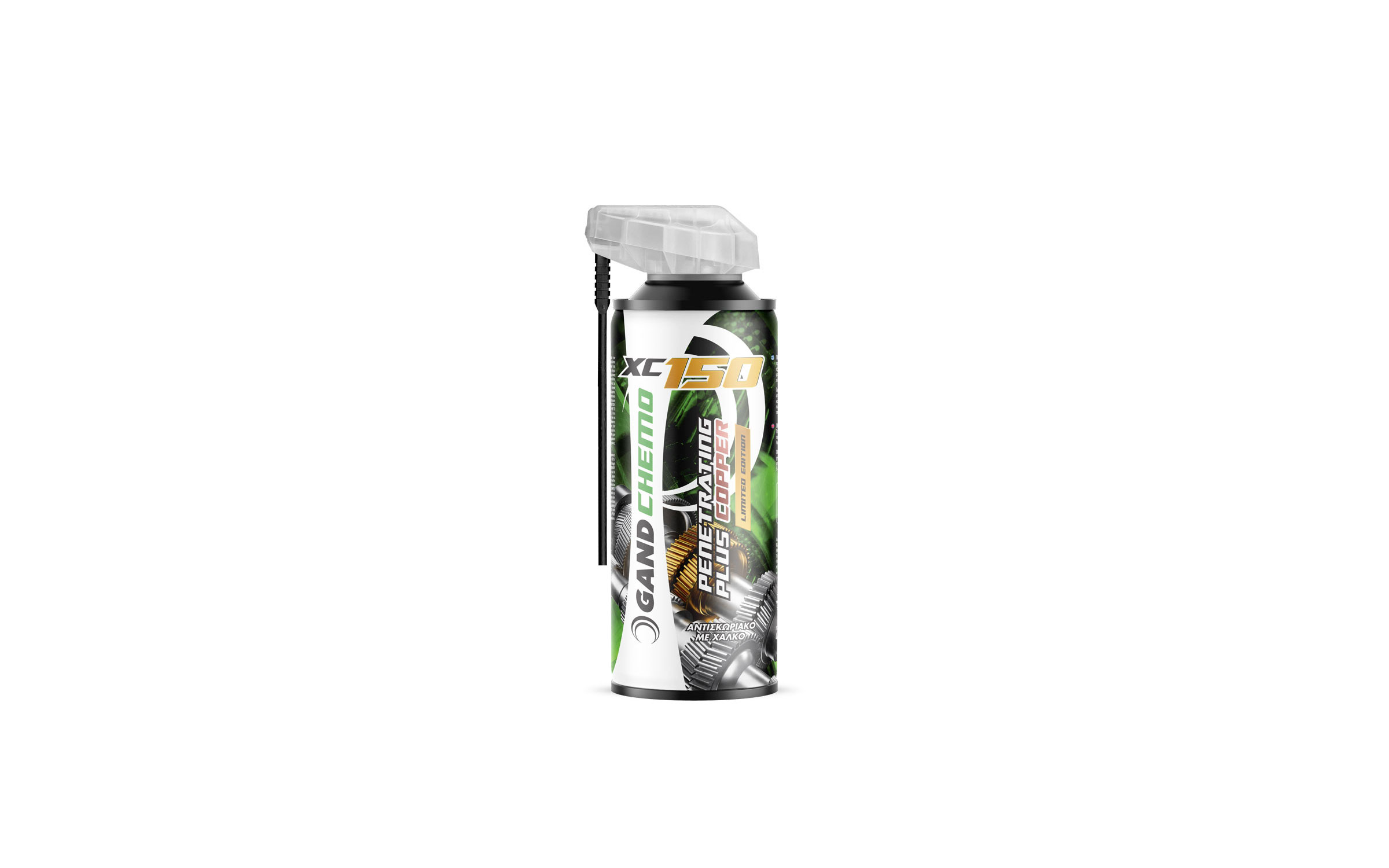
An example of such a product is Spray Penetrating Plus Copper Limited Edition, which is designed to penetrate deeply into seized mechanisms, effectively loosen rusted bolts, and at the same time provide protective lubrication to metal surfaces.
Why bolts rust in cars and motorcycles
The mechanisms of a car or motorcycle operate in a particularly demanding environment. Metal components are continuously exposed to factors that promote corrosion.
Environmental moisture, rainwater, road salts, and temperature fluctuations create ideal conditions for oxidation to develop. When iron comes into contact with oxygen in the presence of moisture, iron oxides are formed, commonly known as rust.
This rust does not simply remain on the surface of the metal. It penetrates into the microscopic gaps of the thread and forms a layer that acts as an adhesive substance between the bolt and the nut.
In many cases, engine heat further worsens the problem. Continuous heating and cooling cycles cause the metals to expand and contract. Over time, this process leads to even greater compression of the threads and increased friction.
How a penetrating spray works
Penetrating sprays are designed to address exactly this problem. Their function is based on a combination of physical and chemical properties that allow the product to penetrate deeply between metal surfaces.
Initially, the liquid has very low viscosity, which allows it to enter extremely small gaps. Even when threads are almost completely covered with rust, the product can find microscopic passages and penetrate the surface.
As it penetrates, the product begins to dissolve metal oxides and solid residues that have formed in the area. This process gradually reduces the force that holds the bolt in place.
At the same time, the penetrating spray creates a thin lubricating film that reduces friction between metal surfaces. As a result, when force is applied with a tool, the bolt can begin to rotate without breaking or damaging the thread.
The role of copper in a penetrating spray
Copper is one of the most useful metals in high-demand lubrication applications. The presence of microscopic copper particles in a penetrating spray offers significant advantages compared to simple lubricating sprays.
First of all, copper creates a durable protective film that reduces friction between metal surfaces. This helps not only in loosening components but also in protecting them from future wear.
At the same time, copper has excellent resistance to high temperatures, making it ideal for use on engine components, exhaust systems, and braking systems.
In many applications, the copper film also acts as anti-rust protection, preventing direct contact between metal, moisture, and oxygen.
How to properly Use a penetrating spray
Proper use of a penetrating spray is extremely important in order to achieve maximum effectiveness of the product. Although penetrating sprays are designed to work quickly and effectively, the correct application process can make a significant difference in the result, especially when dealing with rusted or seized bolts in cars and motorcycles.
The use of a penetrating spray is not limited to a quick spray on the bolt. In reality, it is a process that includes proper surface preparation, correct application of the product, and sufficient penetration time so that the liquid can act effectively within the threads.
When applied correctly, the product can penetrate deeply between metal surfaces, dissolve rust, and significantly reduce friction, allowing the safe disassembly of the component.
Advantages of a copper penetrating spray
Copper penetrating sprays represent a particularly advanced category of maintenance products for mechanical mechanisms. Unlike simple lubricating sprays, products in this category are designed to provide strong penetrability, effective lubrication, and protection against corrosion at the same time.
The addition of microscopic copper particles in the lubricant mixture significantly enhances the product’s performance in demanding applications, such as the maintenance of components in cars and motorcycles. These products can penetrate rusted threads, reduce friction between metal surfaces, and protect components from future wear.
A copper penetrating spray can be used both for the maintenance of mechanisms and for facilitating repair work, where the disassembly of rusted bolts is often a difficult task.
Conclusion
Penetrating sprays are one of the most useful maintenance tools for cars and motorcycles. Their ability to penetrate rusted threads and reduce friction between metal surfaces makes them essential both in professional workshops and in private garages.
Products that contain copper offer even greater effectiveness, as they combine strong penetrability with high heat resistance and protection against wear.
The correct use of such a product can make the repair process much easier, protect mechanical components, and prevent damage that often occurs when attempting to loosen rusted bolts without proper preparation.