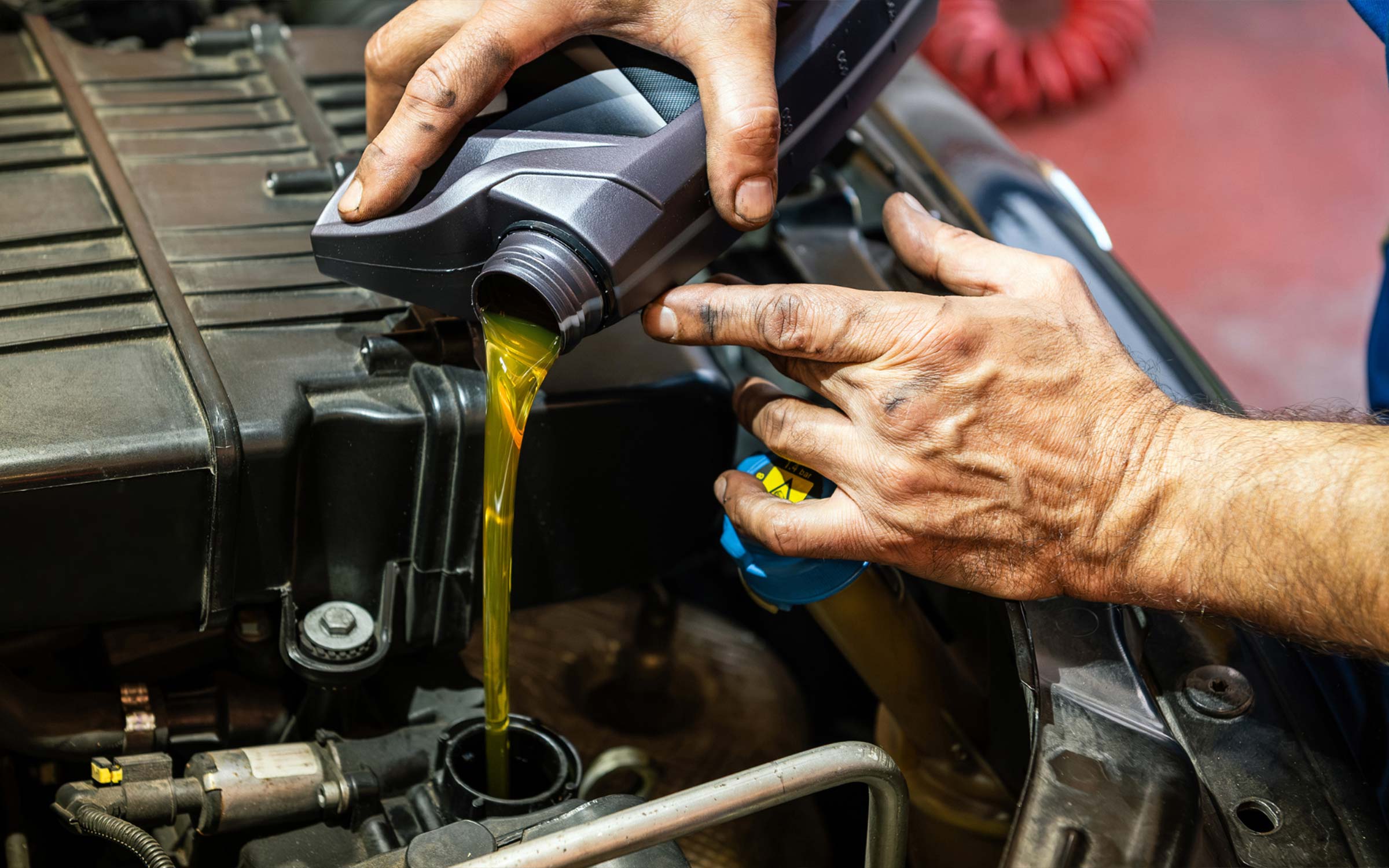
Choosing the right engine oil is not a routine maintenance task, but a critical technical decision that directly affects the long-term health and reliability of the engine. Although many drivers rely exclusively on manufacturer specifications, in practice driving style is the factor that determines how oil actually behaves inside the engine.
The engine is a dynamic mechanical system that operates continuously under changing conditions. Oil is at the core of this operation: it lubricates moving parts, removes heat, keeps internal surfaces clean, and forms a protective film between metal components. Any change in vehicle usage alters the demands placed on the lubricant.
An engine operating mainly in an urban environment stresses oil differently than an engine frequently used for long trips or one required to deliver power under heavy loads. If the lubricant is not selected according to these conditions, wear accelerates silently and cumulatively.
In this guide, we analyze in depth how driving style affects:
- the thermal behavior of engine oil
- the mechanical stress on the lubricating film
- the rate of chemical degradation
- the overall protection and service life of the engine
Why Driving Style Is a Decisive Factor
An engine never operates in a single, stable condition. Every start, every acceleration, every incline, and every extended period at high RPM creates different internal pressures and temperatures. Oil must respond to all these changes in real time.
Driving style determines how often and how intensely the lubricant reaches its operational limits. Frequent cold starts, prolonged operation at high temperatures, or continuous operation under load each impose different forms of stress on the oil and its additive system.
This is why two vehicles with the same engine can show completely different levels of internal wear simply because they are used differently. Oil selection must be based on the functional reality of engine operation, not only on theoretical specifications.
City Driving: Frequent Starts and Increased Stress
Characteristics of Urban Use
City driving is one of the most demanding forms of operation for engine oil, despite relatively low speeds. The core issue is not intensity, but discontinuity.
Frequent cold starts mean that oil begins at low temperature and higher viscosity. Until it fully circulates and forms an adequate lubricating film, metal components operate with reduced protection. The more often this process is repeated, the greater the cumulative wear.
How Oil Is Affected in City Driving
Low average operating temperatures promote the accumulation of moisture and unburned fuel in the oil. These contaminants alter the oil’s chemical composition, reduce its lubricating ability, and accelerate oxidation. At the same time, detergent additives are consumed more rapidly.
The result is a lubricant that degrades faster than mileage alone would suggest.
What an Oil for Urban Use Must Provide
Oil for city driving must circulate immediately after startup, maintain stable performance during constant thermal fluctuations, and effectively suspend contaminants. Protection during the first minutes of operation is critical for long-term engine health.
Travel Driving: Stability and Prolonged Operation
Characteristics of Travel Use
During travel, the engine operates continuously for long periods at stable RPM. Oil remains at elevated temperatures for hours, close to its upper operating limits.
How Oil Is Affected During Travel
Prolonged thermal stress accelerates chemical aging of the oil. If the lubricant lacks sufficient thermal stability, it may thin excessively, reducing lubricating film thickness and increasing metal-to-metal contact. Wear in this case is slow but cumulative.
What Is Required from an Oil for Travel
Oil must maintain stable viscosity at high temperatures and protect the engine even after many hours of continuous operation, especially under summer conditions.
Heavy Use: Extreme Loads and Maximum Demands
What Is Considered Heavy Use
Heavy use includes towing, full vehicle load, mountainous driving, and high ambient temperatures. Under these conditions, the engine operates close to its limits.
How Oil Is Stressed Under Heavy Use
Oil is subjected to high pressures and intense shear forces. The lubricating film is continuously challenged, and any failure can lead to immediate friction. Degradation accelerates, and safety margins are dramatically reduced.
What an Oil for Heavy Use Must Provide
Maximum thermal resistance, a strong lubricating film, and stable viscosity even under extreme load are required. Under these conditions, oil becomes a critical factor for mechanical safety.
How to Choose Correctly Based on Your Actual Use
Correct oil selection is based on the overall usage pattern rather than isolated driving scenarios.
What Is the Dominant Driving Style in Your Daily Routine
Daily use determines oil stress far more than occasional trips. Dominant usage always takes priority.
If You Mainly Drive in the City → You Need Cold-Start Protection
Oil must circulate immediately, form a lubricating film quickly, and manage increased moisture and contaminants.
If You Travel Frequently → You Need Long-Term Thermal Stability
Oil must retain its properties under prolonged high-temperature operation without loss of protection.
If You Load the Vehicle or Drive in Difficult Conditions → You Need Maximum Resistance
A strong lubricating film and resistance to pressure and heat are required.
If You Have Mixed Use → Choose Based on the Most Demanding Scenario
Oil should cover the most difficult conditions that occur most frequently.
How Usage Relates to Oil Change Intervals
The more demanding the usage, the more frequent oil changes must be, regardless of mileage.
Why Consistency in Oil Use Matters
Consistent use of correctly selected oil ensures stable behavior and better protection.
Conclusion
Driving style directly affects the behavior and lifespan of engine oil. When the lubricant is adapted to real operating conditions, the engine runs more efficiently, wears less, and remains reliable over time.